
How to Choose the Right Hospital Furniture for Modern Healthcare Facilities
How to Choose the Right Hospital Furniture for Modern Healthcare Facilities
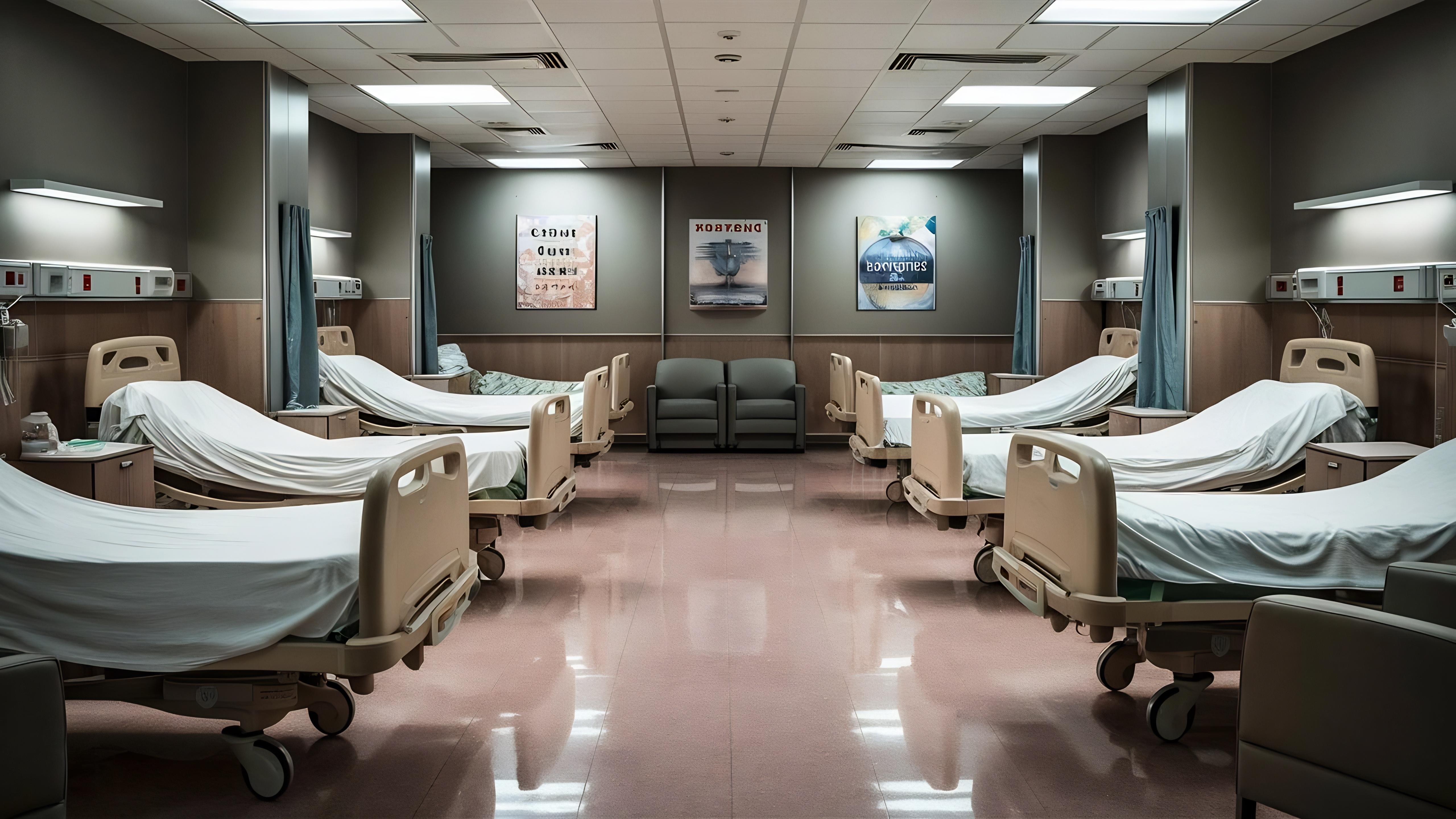
Hospital furniture plays a critical role in creating a safe, efficient and patient-friendly healthcare environment. Whether it is a hospital, nursing home, clinic, medical college or healthcare infrastructure project, the right hospital furniture directly supports patient comfort, clinical workflow, infection control, staff productivity and long-term operational reliability.
For healthcare administrators, project consultants and procurement teams, selecting hospital furniture is not only about buying beds, tables or trolleys. It is about choosing products that match the purpose of each department, the expected patient load, the type of medical service, space planning requirements and long-term maintenance expectations.
At ACLIMA, hospital furniture is viewed as an important part of healthcare infrastructure. From hospital beds and ICU beds to examination tables, bedside lockers, patient stretchers, medical trolleys and ward furniture, every product must support both clinical function and patient care.
Why Hospital Furniture Selection Matters
Hospital furniture is used continuously in demanding environments. A hospital bed may be adjusted several times a day. A patient stretcher may move across departments. A medical trolley may be used in wards, procedure rooms, emergency areas and operation support zones.
Poorly selected healthcare furniture can create practical problems such as:
- Patient discomfort
- Difficulty in movement and handling
- Reduced staff efficiency
- Hygiene and cleaning challenges
- Higher maintenance requirements
- Poor space utilization
- Faster wear and tear
On the other hand, well-selected hospital furniture improves workflow, safety, patient handling and overall care delivery.
Key Factors to Consider Before Buying Hospital Furniture
1. Understand the Area of Use
Every hospital area has a different requirement. A general ward, ICU, emergency room, examination room and patient room cannot use the same type of furniture.
For example, ICU beds need advanced movement, patient positioning and critical care compatibility. Examination tables need stability, comfort and easy access for doctors. Ward furniture must be durable, easy to clean and suitable for continuous use.
Before selecting hospital furniture, identify where the product will be used:
- General ward
- ICU
- Emergency department
- Examination room
- Patient room
- Operation support area
- Procedure room
- Nursing station
- Recovery area
This helps in choosing the right product category, material, size and features.
2. Choose the Right Type of Hospital Beds
Hospital beds are among the most important hospital furniture items. They support patient care, mobility, comfort and clinical access.
Common hospital bed categories include:
- Manual hospital beds
- Semi-fowler beds
- Fowler beds
- ICU beds
- Electric beds
- Patient care beds
When selecting hospital beds, consider:
- Patient comfort
- Adjustable positions
- Side rail safety
- Load-bearing capacity
- Mattress compatibility
- Ease of cleaning
- Mobility and wheel quality
- Durability of frame
- Suitability for ward or ICU use
For hospitals and nursing homes, bed selection should be based on the type of care being delivered and the expected usage intensity.
3. Focus on Patient Safety and Comfort
Hospital furniture must support patient comfort without compromising safety. Features such as smooth edges, strong structure, lockable wheels, stable frames, comfortable height and easy movement are important.
For patient room furniture, products such as bedside lockers, overbed tables, ward furniture and patient chairs should be easy to access and simple to use. For elderly patients or critical care patients, furniture design can directly affect safety and convenience.
Good hospital furniture should help patients feel secure, supported and comfortable during treatment or recovery.
4. Check Material Quality and Hygiene Suitability
Healthcare environments require furniture that can be cleaned regularly and withstand disinfectants. Material selection is important for infection control and long-term maintenance.
Hospital furniture should ideally have:
- Durable surface finish
- Rust-resistant structure
- Easy-to-clean material
- Smooth joints and edges
- Low-maintenance construction
- Resistance to frequent usage
For areas such as ICUs, CSSD, procedure rooms and wards, hygiene-friendly furniture becomes even more important.
5. Consider Staff Workflow and Ease of Handling
Hospital furniture is not only used by patients. Doctors, nurses, attendants and support staff interact with it every day.
A medical trolley should move smoothly. A patient stretcher should be easy to handle. An examination table should allow doctors to examine patients comfortably. Bedside furniture should not block nursing access.
Before finalizing healthcare furniture, procurement teams should consider:
- Ease of movement
- Locking mechanism
- Height suitability
- Storage convenience
- Department workflow
- Space availability
- Staff handling requirements
Furniture that supports staff efficiency ultimately improves patient care.
6. Plan for Bulk Requirements and Future Expansion
Hospitals, clinics and institutions often require hospital furniture in bulk. Instead of selecting products one by one without planning, it is better to prepare a department-wise requirement list.
A structured hospital furniture requirement may include:
- Number of hospital beds
- ICU beds required
- Examination tables
- Bedside lockers
- Medical trolleys
- Patient stretchers
- Wheelchairs
- Ward furniture
- Patient room furniture
- Department-wise quantities
For large healthcare projects, the best approach is to prepare a BOQ or product requirement sheet and submit it for a bulk quotation.
7. Match Furniture with Healthcare Infrastructure Needs
Hospital furniture should match the nature of the facility. A small clinic may need examination tables, patient chairs and basic storage. A hospital may need ICU beds, ward beds, stretchers, trolleys and patient room furniture. A medical college may require a broader range across departments.
The right hospital furniture supplier should understand the difference between product supply and healthcare infrastructure support.
For institutional procurement, the focus should be on:
- Product suitability
- Category availability
- Bulk supply capability
- Department-wise planning
- Product documentation
- Quotation support
- Reliable communication
Common Hospital Furniture Products Required by Healthcare Facilities
A modern healthcare facility may require different types of hospital furniture, including:
Hospital Beds
Used in wards, patient rooms, recovery areas and critical care departments.
ICU Beds
Designed for critical care environments where patient positioning and monitoring access are important.
Fowler Beds
Suitable for patient comfort, recovery and adjustable positioning.
Examination Tables
Used in clinics, consultation rooms, diagnostic areas and examination spaces.
Bedside Lockers
Provide patient-side storage for personal and medical essentials.
Overbed Tables
Used for patient convenience, meals, reading, writing and bedside care support.
Patient Stretchers
Important for emergency movement, patient transfer and inter-department mobility.
Wheelchairs
Required for patient movement across healthcare facilities.
Medical Trolleys
Used for medicines, instruments, dressing material, equipment movement and ward support.
Ward Furniture
Includes patient room furniture, storage units, utility furniture and support products for daily healthcare operations.
How ACLIMA Supports Hospital Furniture Requirements
ACLIMA helps healthcare facilities explore hospital furniture and healthcare equipment categories through a structured product showcase and enquiry-based process. The platform is designed for hospitals, laboratories, clinics, institutions and healthcare infrastructure projects that require organized product discovery and professional quotation support.
Instead of displaying fixed product prices, ACLIMA supports a request-for-quote approach. This is useful for healthcare buyers because pricing and product suitability may depend on quantity, specifications, project location, customization, delivery requirements and institutional procurement needs.
Visitors can explore hospital furniture categories, view product details and submit single-product or bulk quote requirements.
When Should You Submit a Bulk Quote Request?
You should submit a bulk RFQ when you are planning:
- New hospital setup
- Ward expansion
- ICU setup
- Clinic setup
- Nursing home upgrade
- Medical college requirement
- Department-wise hospital furniture purchase
- Healthcare infrastructure project
- Replacement of old hospital furniture
- BOQ-based procurement
A bulk quote request allows the ACLIMA team to review your requirement in a structured way and respond with suitable product support.


About Aclima
At Aclima Therapeutics Derive Pvt. Ltd., we are passionate about supporting healthcare institutions with reliable and innovative solutions. Since 2017, we have been helping hospitals, medical colleges, diagnostic laboratories, and blood banks create efficient and patient-focused healthcare environments.
Our Locations
Company Address
A-2/128, second floor , site-v, surajpur industrial Area, kasna, Greater noida ( u.p )
Contact Information
General Inquiries
info@aclimatherapeuticdrive.com
Phone No.
+91-98109 50718