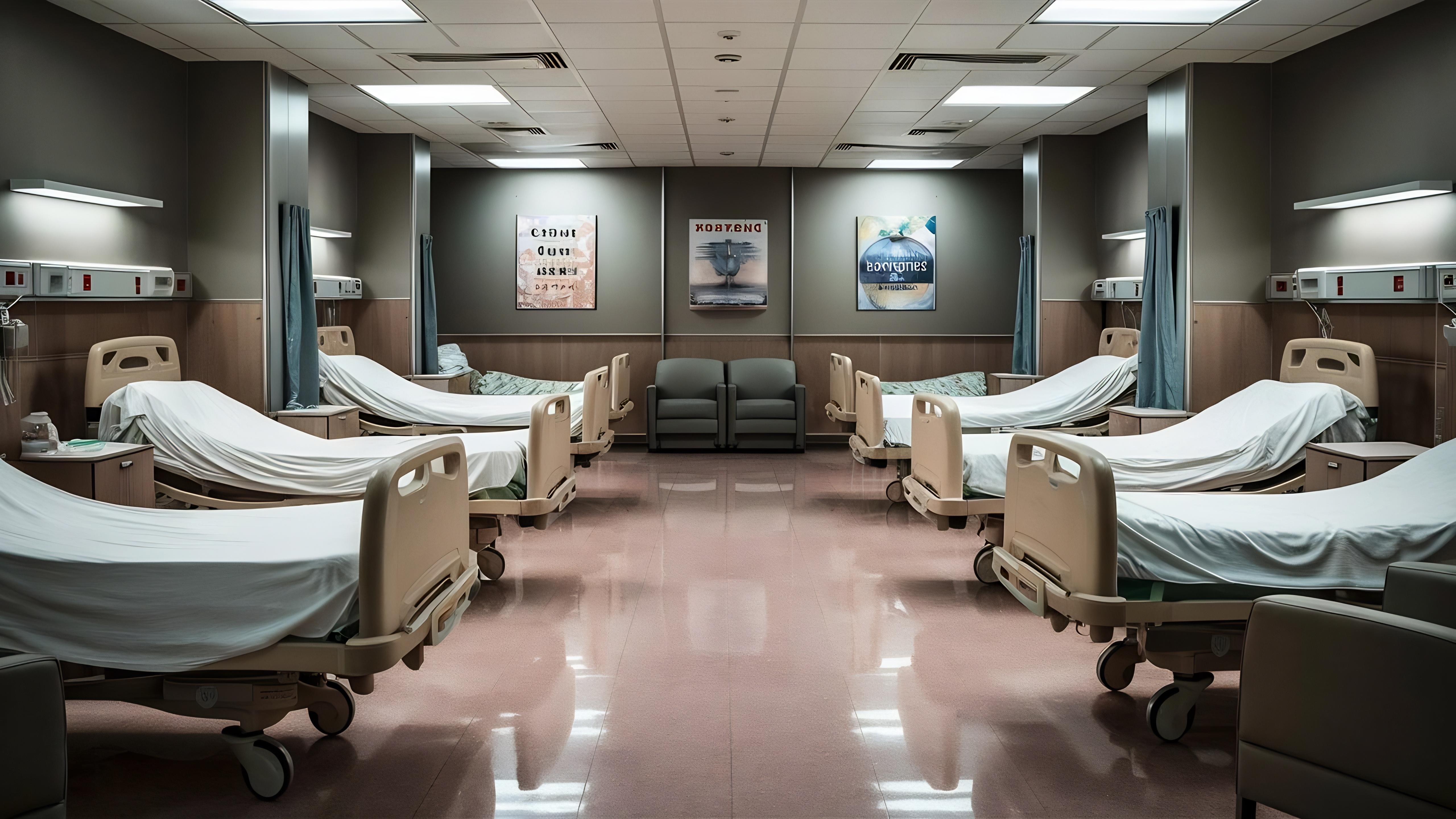
Complete Guide to Hospital Beds: ICU Beds, Fowler Beds and Patient Care Beds
Hospital beds are one of the most essential elements of any healthcare facility. From general wards and patient rooms to ICUs, emergency departments and recovery areas, the right hospital bed supports patient comfort, clinical care, safety and operational efficiency.
For hospitals, nursing homes, clinics, medical colleges and healthcare infrastructure projects, hospital bed selection should be done carefully. A hospital bed is not just a piece of furniture. It is a patient care platform that helps doctors, nurses and caregivers manage treatment, movement, monitoring and recovery.
Different healthcare areas require different types of hospital beds. ICU beds, Fowler beds, semi-Fowler beds, manual hospital beds, electric beds and patient care beds are selected based on patient condition, department requirement, budget, usage intensity and operational need.
This guide explains the major types of hospital beds and the key factors healthcare buyers should consider before submitting a hospital bed requirement or bulk RFQ.
Why Hospital Bed Selection Is Important
Hospital beds are used continuously in healthcare environments. They must support patients safely while allowing healthcare staff to perform clinical activities comfortably.
The right hospital bed can help with:
- Patient positioning
- Nursing access
- Comfort during recovery
- Safe patient transfer
- Critical care support
- Emergency response
- Long-term durability
- Infection control and cleaning
- Better space management
Poorly selected beds may create problems such as patient discomfort, difficult handling, higher maintenance, poor mobility and limited clinical access.
Common Types of Hospital Beds
1. Manual Hospital Beds
Manual hospital beds are commonly used in general wards, small hospitals, clinics and patient care areas where basic adjustment is required.
These beds are operated manually through handles or mechanical adjustment systems. They are suitable for facilities that need practical, durable and cost-effective patient care beds.
Best suited for:
- General wards
- Nursing homes
- Clinics
- Recovery rooms
- Basic patient care areas
Key considerations:
- Frame strength
- Smooth manual adjustment
- Side rail safety
- Wheel quality
- Mattress compatibility
- Ease of cleaning
2. Fowler Beds
Fowler beds are among the most commonly used hospital beds. They allow adjustment of the backrest and sometimes leg section, helping patients sit, recline or rest in a more comfortable position.
Fowler beds are useful for patients who need better breathing posture, feeding support, recovery comfort or semi-sitting positioning.
Best suited for:
- General wards
- Patient rooms
- Recovery areas
- Post-operative care
- Nursing homes
Key benefits:
- Better patient comfort
- Adjustable backrest
- Suitable for longer patient stay
- Helpful for feeding and patient interaction
- Supports nursing care
3. Semi-Fowler Beds
Semi-Fowler beds provide moderate backrest adjustment and are widely used in patient care environments. They are practical for hospitals that need functional beds for ward use without advanced ICU-level features.
Best suited for:
- General patient rooms
- Ward areas
- Small hospitals
- Clinics
- Nursing facilities
Key benefits:
- Simple adjustment
- Better comfort than fixed beds
- Easy to operate
- Useful for routine patient care
4. ICU Beds
ICU beds are designed for critical care environments. These beds usually offer advanced movement, multiple positioning options, strong structure and better accessibility for doctors and nurses.
ICU beds must support patients who require continuous monitoring, frequent position changes and critical care support.
Best suited for:
- Intensive Care Units
- Critical care departments
- Emergency care units
- High-dependency units
- Advanced hospital setups
Key features to consider:
- Multiple position adjustment
- Strong side rails
- Smooth movement
- Lockable wheels
- Sturdy frame
- Easy cleaning
- Compatibility with ICU workflow
- Access for monitoring equipment
ICU beds should be selected with special attention to quality, durability, movement control and patient safety.
5. Electric Hospital Beds
Electric hospital beds allow adjustments through motorized controls. They improve patient comfort and reduce physical effort for caregivers and nursing staff.
These beds are commonly used in advanced patient rooms, ICUs and facilities where frequent bed adjustment is required.
Best suited for:
- Premium patient rooms
- ICU areas
- Long-stay patient care
- Advanced healthcare facilities
- Elderly care environments
Key benefits:
- Easier operation
- Better patient positioning
- Reduced manual handling
- Improved caregiver convenience
- Suitable for frequent adjustment needs
6. Patient Care Beds
Patient care beds refer to beds used for general patient comfort, treatment and recovery. These may include manual beds, Fowler beds, semi-Fowler beds or electric beds depending on facility requirements.
Best suited for:
- Hospitals
- Clinics
- Nursing homes
- Rehabilitation centres
- Home healthcare support
- Patient recovery areas
Key considerations:
- Patient comfort
- Safety rails
- Durability
- Mobility
- Ease of maintenance
- Department-specific suitability
Factors to Consider Before Buying Hospital Beds
1. Department Requirement
Before selecting hospital beds, identify where they will be used. ICU beds are different from ward beds. Examination or recovery areas may need simpler beds, while critical care departments require advanced beds.
A department-wise requirement sheet helps in selecting the right type and quantity.
2. Patient Safety
Safety should be a priority in every hospital bed. Side rails, stable frames, lockable wheels and smooth edges help reduce patient risk.
For elderly patients, critical care patients and post-operative patients, bed safety becomes even more important.
3. Patient Comfort
Comfort is important for recovery. Adjustable backrests, proper height, mattress support and easy movement help improve the patient experience.
Fowler beds and ICU beds are often preferred where patient positioning and comfort are important.
4. Ease of Cleaning
Hospital beds must be cleaned and disinfected regularly. Choose beds with smooth surfaces, durable finishes and easy-to-clean designs.
This helps support hygiene and infection control practices in healthcare facilities.
5. Mobility and Wheel Quality
Hospital beds often need to be moved within the facility. Smooth wheels, strong locking systems and stable movement are important for patient transfer and bed handling.
For ICUs and emergency areas, bed mobility can be especially important.
6. Load Capacity and Durability
Hospital beds must be strong enough for continuous usage. Frame quality, welding strength, wheel durability and overall structure should be evaluated carefully.
A durable hospital bed helps reduce maintenance and replacement issues.
7. Bulk Procurement Planning
Hospitals and institutions often purchase hospital beds in bulk. In such cases, a structured RFQ should include:
- Type of hospital beds required
- Quantity
- Department or usage area
- Manual or electric requirement
- Side rail requirement
- Mattress requirement
- Delivery location
- Timeline
- Any special specification
- BOQ or project document, if available
This helps the supplier understand the requirement and respond more accurately.
Hospital Bed Requirement by Facility Type
For Clinics
Clinics may require examination beds, basic patient care beds and compact furniture suitable for consultation and minor procedures.
For Nursing Homes
Nursing homes usually need Fowler beds, semi-Fowler beds, bedside lockers, patient room furniture and ward beds.
For Hospitals
Hospitals require a wider range including general ward beds, ICU beds, patient care beds, stretchers, trolleys and patient room furniture.
For ICUs
ICU departments need advanced ICU beds with safe movement, strong structure and critical care compatibility.
For Medical Colleges
Medical colleges and institutions may require beds across wards, departments, labs, training facilities and clinical areas.
Why Use an RFQ-Based Approach for Hospital Beds?
Hospital beds may differ based on features, usage, quantity, material, customization, accessories and project needs. That is why a request-for-quote model is better than showing fixed pricing online.
An RFQ-based process helps healthcare buyers share complete requirements and receive suitable product support.
A proper RFQ can include:
- Required bed type
- Quantity
- Usage area
- Preferred features
- Project location
- Timeline
- BOQ upload
- Additional notes
This is especially useful for hospital projects, department upgrades and institutional procurement.
How ACLIMA Supports Hospital Bed Requirements
ACLIMA helps healthcare facilities explore hospital furniture categories and submit quotation requests for hospital beds, ICU beds, Fowler beds, patient care beds and related patient room furniture.
The website allows visitors to browse product categories, view product information and submit single or bulk requirements through an RFQ-based enquiry flow.
For larger requirements, hospitals and project teams can upload a BOQ or share a bulk quote request for review.
Conclusion
Hospital beds are central to patient care and healthcare operations. Choosing the right hospital bed requires understanding department needs, patient safety, clinical workflow, comfort, hygiene, durability and long-term usage.
Whether the requirement is for ICU beds, Fowler beds, patient care beds, ward beds or electric hospital beds, healthcare buyers should evaluate the product carefully and submit a clear RFQ with specifications and quantities.
ACLIMA supports healthcare equipment and hospital furniture requirements through a structured product showcase and enquiry-based approach.

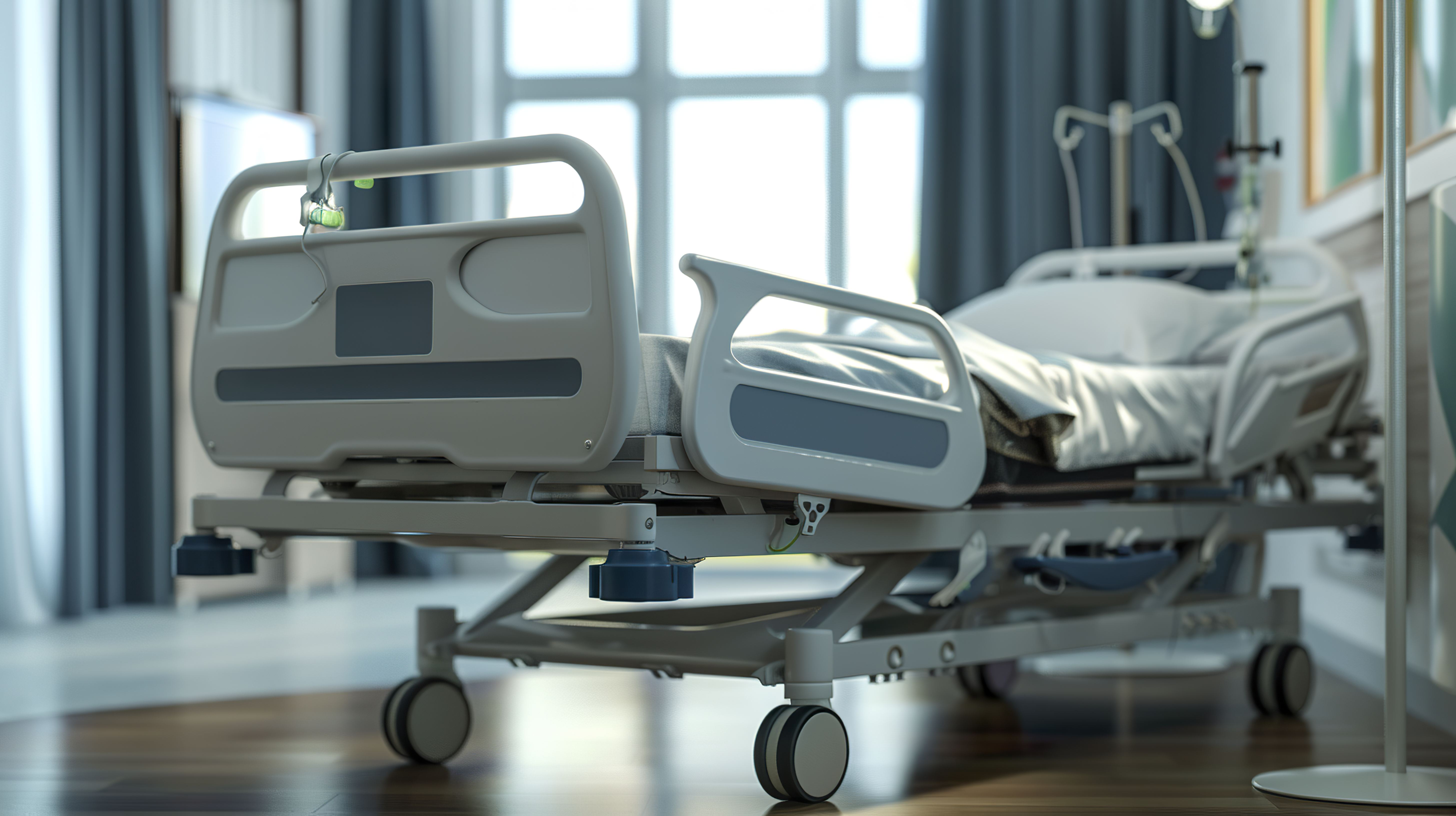

About Aclima
At Aclima Therapeutics Derive Pvt. Ltd., we are passionate about supporting healthcare institutions with reliable and innovative solutions. Since 2017, we have been helping hospitals, medical colleges, diagnostic laboratories, and blood banks create efficient and patient-focused healthcare environments.
Our Locations
Company Address
A-2/128, second floor , site-v, surajpur industrial Area, kasna, Greater noida ( u.p )
Contact Information
General Inquiries
info@aclimatherapeuticdrive.com
Phone No.
+91-98109 50718